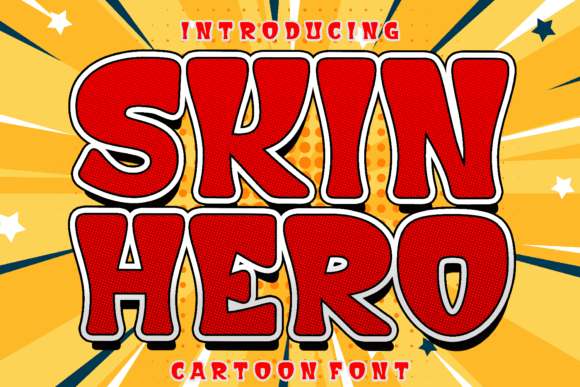
Enhance Your Web Design with Skin Hero Display Font
When it comes to creating visually compelling digital experiences, the right font can make all the difference. Skin Hero, a premium display font, offers a unique blend of charm and readability that works seamlessly across a wide range of web design applications. As a web designer, I've found that fonts like Skin Hero not only elevate aesthetics but also contribute to user engagement and brand consistency.
Understanding the Visual Appeal of Skin Hero
Skin Hero is designed with a modern, playful yet professional look that strikes a balance between creativity and clarity. Its rounded edges and subtle curves give it a friendly, approachable feel, while its clean lines ensure legibility even at smaller sizes. This makes it ideal for use in hero sections, headers, and other prominent areas of a website where you want to capture attention without sacrificing readability.
The font's personality is both joyful and charming, making it particularly well-suited for creative portfolios, boutique online stores, and branding projects that aim to convey warmth and authenticity. Whether used in a call-to-action button or as part of a headline, Skin Hero adds a touch of character that can help your brand stand out.
Practical Applications of Skin Hero in Web Design
Using Skin Hero in various parts of a website can enhance visual hierarchy and guide user attention effectively. Here are some practical examples:
- Hero Sections: Use Skin Hero for large headlines in hero sections to immediately communicate your brand's tone and message.
- Landing Pages: Apply it to primary calls-to-action or key selling points to create a sense of urgency and excitement.
- Online Store Banners: Pair it with a complementary sans serif font for product titles and descriptions to maintain a cohesive look.
- Blog Headers: Incorporate it into blog post titles or section headings to add visual interest and break up long blocks of text.
- Portfolio Sites: Highlight project names or client testimonials using Skin Hero to emphasize creativity and professionalism.
For instance, when designing a coaching website, Skin Hero could be used for the main title on the homepage, paired with a clean sans serif font for body copy. This combination ensures that the site feels both inviting and easy to navigate.
Readability and Responsiveness Considerations
While Skin Hero excels in adding personality to a design, it's important to consider how it performs on different screen sizes. For mobile layouts, ensure that the font remains legible by adjusting its size and spacing appropriately. Avoid using it for long paragraphs, as display fonts are best suited for short phrases or headings.
When applying Skin Hero to buttons or small elements, test its visibility against both light and dark backgrounds. A high contrast ratio will improve readability and user experience. Additionally, consider using it with image overlays or background textures to enhance its visual impact without compromising usability.
Font Pairing and Brand Identity
One of the most effective ways to use Skin Hero is by pairing it with a more neutral, readable font such as Helvetica Neue or Open Sans for body text. This contrast helps establish a clear visual hierarchy, guiding users through content effortlessly.
For editorial-style websites or digital magazines, pairing Skin Hero with a serif font like Georgia or Times New Roman can create a sophisticated, elegant look. The key is to maintain balance—using Skin Hero as a decorative accent rather than the primary text font ensures that your content remains easy to read and scan.
As part of a brand identity kit, Skin Hero can serve as a signature typeface that reinforces your brand’s voice and values. It’s especially useful for logos, taglines, and promotional materials where a memorable visual impression is crucial.
Technical Considerations for Web Designers
Before implementing Skin Hero on a live website, check the available file formats and ensure that it supports webfont delivery. Confirm whether it includes alternate glyphs, weights, or multilingual support if your audience spans multiple regions.
Also, be mindful of commercial font licensing. If you're using Skin Hero for client projects, online stores, or digital templates, verify that the license allows for the intended use. Some fonts require separate licenses for embedding in web pages or distributing as part of downloadable assets.
Finally, always test the font in real-world scenarios. How does it render on different browsers? Does it load quickly? These factors can affect performance and user experience, so optimizing typography is an essential step in any web design process.